

Blog Overview
A sticking door is usually caused by wood swelling, loose hinges, paint buildup or frame misalignment — a quick inspection and simple fix often solves it.
Blog Discussion Points:
- Loose or misaligned hinges
- Wood edges swollen from humidity
- Paint or sealant build‑up in the door frame
- Door and frame out of square or home settling
- Lubrication and minor adjustments prevent repeat sticking
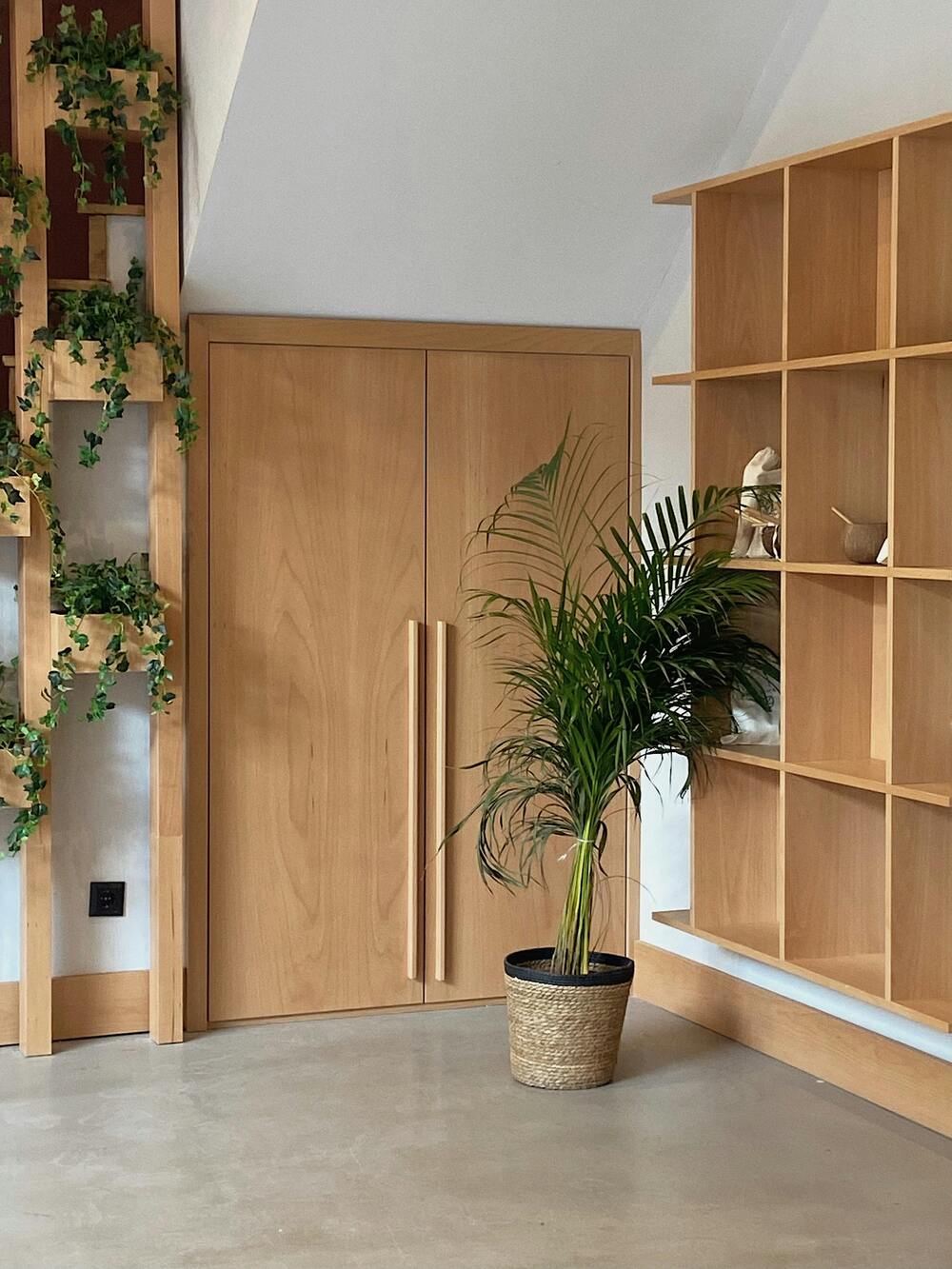
A sticking door can be a frustrating daily nuisance. Whether it’s scraping the floor, jamming in the frame, or refusing to latch properly, it can interrupt your routine and damage your flooring or door hardware over time.
The good news? Most sticking doors can be repaired easily with a few tools and some careful inspection. In this guide crafted by door repair experts, we’ll walk you through how to diagnose the cause and show you how to repair a sticking door step by step.
What Causes a Door to Stick?
Before grabbing your tools, it’s helpful to understand what’s causing the problem. Common reasons for a door sticking include:
- Humidity and moisture swelling the wood
- Loose or misaligned hinges
- Paint buildup
- Foundation shifting or frame warping
- Worn or damaged hardware
- Door sagging due to weight
Identifying the root cause will help you determine the most effective solution.
Tools and Materials You Might Need
- Screwdrivers (flathead and Phillips)
- Hammer and wood chisel
- Sandpaper or sanding block
- Utility knife
- Level
- Plane or file
- Lubricant (like paraffin wax or WD-40)
- Paint and primer (if refinishing)

How to Repair a Sticking Door: Step-by-Step
Step 1: Identify Where It’s Sticking
Open and close the door slowly to see where it’s binding:
- Is it scraping the top, bottom, or side of the frame?
- Is the latch sticking, or does the door not close fully?
- Does it stick more during certain weather conditions?
Mark the sticking points with a pencil so you can address them directly.
Step 2: Tighten or Adjust the Hinges
Loose hinges are a common culprit, especially for older doors.
- Use a screwdriver to tighten all hinge screws.
- If screws spin without tightening, fill the hole with wood glue and toothpicks or insert a slightly longer screw.
- Check the gap between the door and the frame—use a level to see if the door is hanging evenly.
Tip: If the top hinge is loose, the door may sag; tightening it can restore alignment.
Step 3: Sand or Plane the Door Edges
If the door is rubbing against the frame, you may need to remove a small amount of wood.
- Remove the door from the hinges if needed.
- Sand or plane down the edge where it sticks—just a little at a time.
- Check fit often to avoid over-shaving.
- If necessary, repaint or reseal the exposed wood to prevent moisture absorption.
Step 4: Check for Paint Buildup
Over time, layers of paint on the door edges or frame can cause sticking.
- Use a utility knife to carefully score and remove excess paint in problem areas.
- Sand the edge smooth and touch up the paint if needed.
Step 5: Lubricate the Latch and Hinges
If the door sticks at the latch or creaks when moved:
- Apply lubricant (like graphite or silicone spray) to the latch bolt.
- Use a few drops of oil or spray on the hinge pins to reduce friction.
- Avoid using grease, which can attract dust and grime.
Step 6: Inspect for Frame or Foundation Issues
If the door sticks unevenly or only during certain times of the year:
- Your home’s foundation or the door frame may have shifted.
- In some cases, shimming the hinges or adjusting the strike plate can help.
- For major misalignments, you may need help from a carpenter or handyman.
Bonus Tips for Preventing Sticking Doors
- Keep door edges sealed with weather-resistant paint.
- Check for water leaks around exterior doors that could lead to swelling.
- Use a dehumidifier during humid seasons if swelling is a recurring issue.
- Inspect hardware during seasonal home maintenance checks.

When to Call a Professional
While many sticking doors are simple to fix, you should consider professional help if:
- The door is warped or water-damaged.
- There’s evidence of structural shifting in your home.
- The sticking persists even after hinge and frame adjustments.
- You’re dealing with solid-core or custom doors.
Frequently Asked Questions
Why does my door start sticking even though nothing seems wrong?
Doors can begin sticking due to wood swelling in damp conditions, paint or sealant layers building up over time, or hinges that have become loose and allowed the door to sag. Seasonal changes or slight shifts in the house foundation can also affect how the door fits the frame.
How do I figure out exactly where the door is sticking?
Open and close the door slowly to identify where it’s catching — check if it scrapes the top, bottom, or side of the frame. Use a pencil to mark the sticking points, and inspect the hinge side, latch side and bottom edge to find the cause.
What repair steps should I follow for a sticking door?
Start by tightening all hinge screws and replacing any stripped ones. If the door is rubbing, remove it, sand or plane the edge gradually and repaint the exposed wood. Remove excess paint around the frame if that’s the cause. Lubricate hinges and latch components to minimise friction. If the frame has shifted, you may need to shim hinges or call a pro for realignment.
How can I prevent the door from sticking again?
Keep the door and frame sealed and painted to protect against moisture. Maintain indoor humidity levels, especially in timber doors. Inspect hardware and hinges periodically for looseness. Regularly check and clear away paint build‑up or debris that may interfere with smooth operation.
When should I call a professional to fix a sticking door?
If the door is severely warped, water damaged, or the frame appears to have shifted due to structural issues, it’s wise to call a professional. Also call in expert help if adjustments and sanding don’t solve the problem, or if the door is part of a more complex installation (e.g., heavy fire‑rated, custom joinery).
Final Thoughts
Knowing how to repair a sticking door can save you time, reduce frustration, and help maintain the value of your home. Whether it’s sanding a tight corner, adjusting a sagging hinge, or dealing with seasonal swelling, most fixes are quick and inexpensive.
If your sticking door proves more stubborn—or you’d rather let a pro handle it—Jim’s Handyman offers reliable door repair services to help your home run smoothly again.
Need help fixing a door that just won’t budge? Jim’s Handyman is ready to lend a hand with expert repairs—efficient, affordable, and hassle-free.
Related articles that may interest you:
- How to Repair Wood Rot in Your House
- How to Repair Wood Siding
- What are Common Problems with Beach Houses?
- How is Steel Roof Repair Done?
- What are 5 Home Repair Services Every Homeowner Needs?
- How to Repair a Leaking Shower
- How to Spot the Need for Structural Repairs of Buildings Early
- What are Common Concrete Building Repairs and Issues?
- When diy is not the best plan
- How to Repair a Door Handle: A Step-by-Step Guide