
Blog Overview
Deciding between a metal or wood shed in Australia involves looking past the price tag to consider long-term durability against fire, pests, and the sun. This guide highlights why metal is the superior choice for most Australian backyards and breaks down the practical pros and cons of repairing both materials.
Choosing a shed in Australia is a 20-year decision. While wood offers a traditional look, the Australian climate—defined by extreme UV, humidity, and fire risk—usually makes metal the more practical choice. This Jim’s Handyman guide compares the two materials to help you decide which is right for your property.
7 Benefits of Metal Over Wood
1. Fire Safety and Bushfire Compliance (BAL)
In many parts of Australia, fire safety is a legal building requirement, not just a preference. Timber is a combustible material that can ignite from a single stray ember, potentially acting as a fuel source that leads fire toward your main home.
Metal sheds, especially those made from high-grade steel, are non-combustible and offer a significant safety advantage in high-risk zones.
- Melting Point – Steel has a melting point of approximately 1500°C, whereas wood ignites at roughly 300°C.
- Ember Protection – Metal sheets provide a seamless barrier that prevents wind-blown embers from entering the structure.
- Compliance – Metal sheds are easier to certify for specific Bushfire Attack Level (BAL) ratings without expensive treatments.
- Fuel Load – Unlike wood, a metal structure does not add to the “fuel load” of your property during a bushfire event.
Choosing a metal shed is often the only way to meet local council safety regulations in rural or fringe-suburban areas. It provides a non-combustible perimeter that protects your tools and your home.
2. Termite and Pest Immunity
Termites cause more damage to Australian homes than fire and floods combined. A wooden shed is a massive food source for these pests, and because sheds are often tucked away in damp corners of the garden, infestations can go unnoticed for years.
- Even “treated” timber can fail if the chemicals leach into the soil over time.
- Metal sheds are completely immune to termites, borers, and rodents.
- There is no risk of the structural frame being hollowed out from the inside.
For a handyman service, we often see wooden sheds that appear solid but crumble at a touch because termites have destroyed the internal grain. With steel, that structural risk is permanently removed.
3. Structural Longevity in Harsh Weather
Australia’s weather features extreme cycles of dry heat and tropical moisture.
- Wood Issues – Wood is porous. It expands in humidity and shrinks in the sun, leading to “checking” (cracks), warping, and doors that eventually won’t shut.
- Metal Stability – Modern steel sheds, like those finished with Colorbond, do not absorb moisture. They won’t rot at the base where they meet the concrete, and they won’t “cup” or twist during a January heatwave.
4. Repair Comparison: Metal vs. Wood
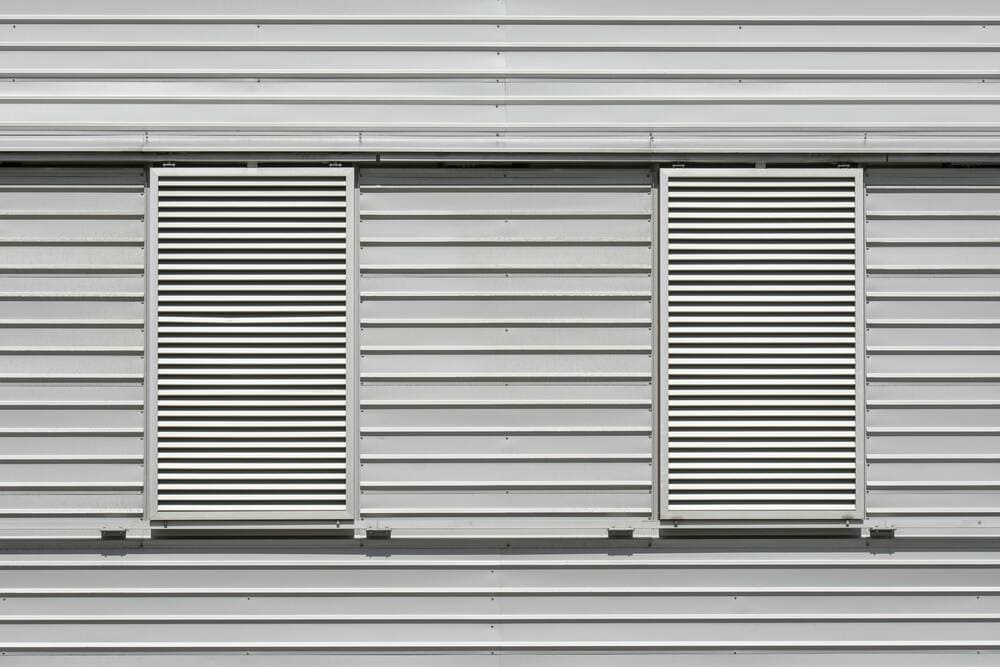
Every structure eventually needs maintenance or repair. Whether it’s damage from a fallen branch or general wear, the repair process differs significantly between these two materials.
Repairing Metal Sheds
Metal sheds are modular, making them relatively straightforward to fix if the damage is localized.
- Pros:
- Sheet Replacement – If a panel is crushed, you can simply unscrew it and slide in a new matching sheet.
- Surface Care – Rust spots are easily sanded back and touched up with a zinc-rich primer and matching spray paint.
- Frame Strength – Steel frames don’t sag, so you rarely have to deal with “re-squaring” a slumped building.
- Cons:
- Denting – Metal is prone to permanent dents from hail or impact.
- Tool Needs – Cutting metal requires specialized tools like nibblers to avoid leaving rusted, jagged edges.
Repairing Wood Sheds
Wood allows for traditional carpentry repairs, which can be both a benefit and a burden.
- Pros:
- Easy Patching – You can use wood filler or a small scrap of timber to fix holes using basic tools.
- Customization – It is much easier to add shelves or internal hooks to a wood shed after it’s built.
- Cons:
- Structural Rot – If rot gets into the “sole plate” or corner posts, you often have to dismantle the whole wall to fix it.
- Maintenance Cycle – You must paint or stain wood every 2 years; if you miss this, the repairs become much more expensive as the wood degrades.
5. Cost Efficiency and Installation
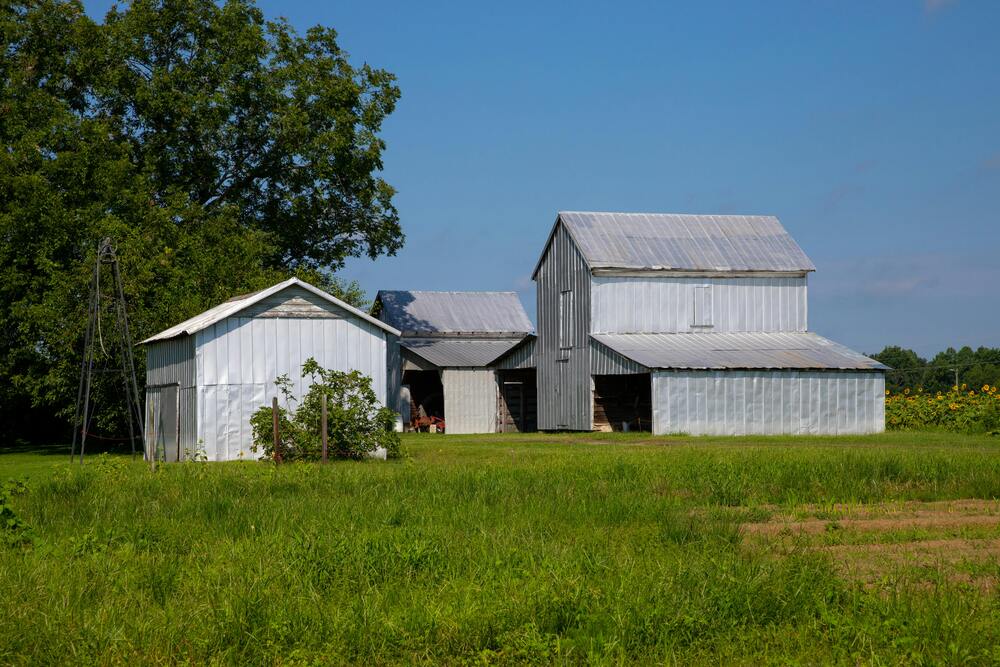
Metal sheds are mass-produced in factories as standardized kits, which keeps the initial purchase price low. Because they are precision-engineered, the installation is much faster than a custom-built timber shed.
- A professional handyman can often have a medium-sized metal garden shed standing in a single day, whereas a timber shed of the same size is a multi-day project involving framing, cladding, and roofing.
- Over a 20-year period, the “zero-maintenance” nature of metal makes it the far more economical choice.
6. Modern Aesthetics and Color Selection
The “industrial” look of metal sheds is a thing of the past. Modern Australian sheds come in a variety of architectural colors—like Monument, Woodland Grey, and Surfmist—that blend perfectly with contemporary home designs. You get the sleek lines of a modern structure with the durability of steel, ensuring the shed adds to your property value rather than looking like an eyesore.
7. Environmental Impact
Steel is one of the most recycled materials globally. Most Australian steel contains a high percentage of recycled content and is 100% recyclable at the end of its life.
- Conversely, treated timber sheds often contain chemicals like Copper Chrome Arsenate (CCA) to prevent rot.
- These chemicals mean the wood cannot be burned or mulched at the end of its life, often resulting in it being sent to a landfill.
Conclusion
While wood sheds offer a rustic look, they struggle to survive the Australian environment without constant, expensive maintenance. For a storage solution that is fire-proof, termite-proof, and budget-friendly, metal is the clear winner for most Australian backyards.
Need a hand getting your new shed standing? At Jim’s Handyman, we are experts in both metal and wood shed installation. Whether you’ve bought a flat-pack kit and need professional assembly, or your old shed needs structural repairs, our team has the tools to get the job done right.
Frequently Asked Questions
Do metal sheds rust easily in coastal areas?
Standard steel can struggle near the ocean, but sheds made from Colorbond or Zincalume are specifically engineered for salt air. If you live within 5km of the coast, ensure you choose a “Coastal Grade” finish and use stainless steel fixings.
Is it true that metal sheds are much hotter inside than wood?
Metal conducts heat, but this is easily managed. Choosing a light-colored roof (like Surfmist) reflects solar heat, and adding a whirlybird vent or foil insulation can keep a metal shed just as cool as a timber one.
Which shed type is easier to repair after a storm?
Metal sheds are generally easier for localized damage because you can replace a single sheet of steel. Wood sheds are easier to “patch” with basic tools, but if the frame has suffered from rot, the repairs are much more complex.