
Blog Overview
A deck is a major asset, but the Australian sun and rain can destroy timber in just a few seasons without the right care. This guide provides ten practical, tradie-approved maintenance tips to help you catch rot early, protect your timber from UV damage, and keep your outdoor space safe for years to come.
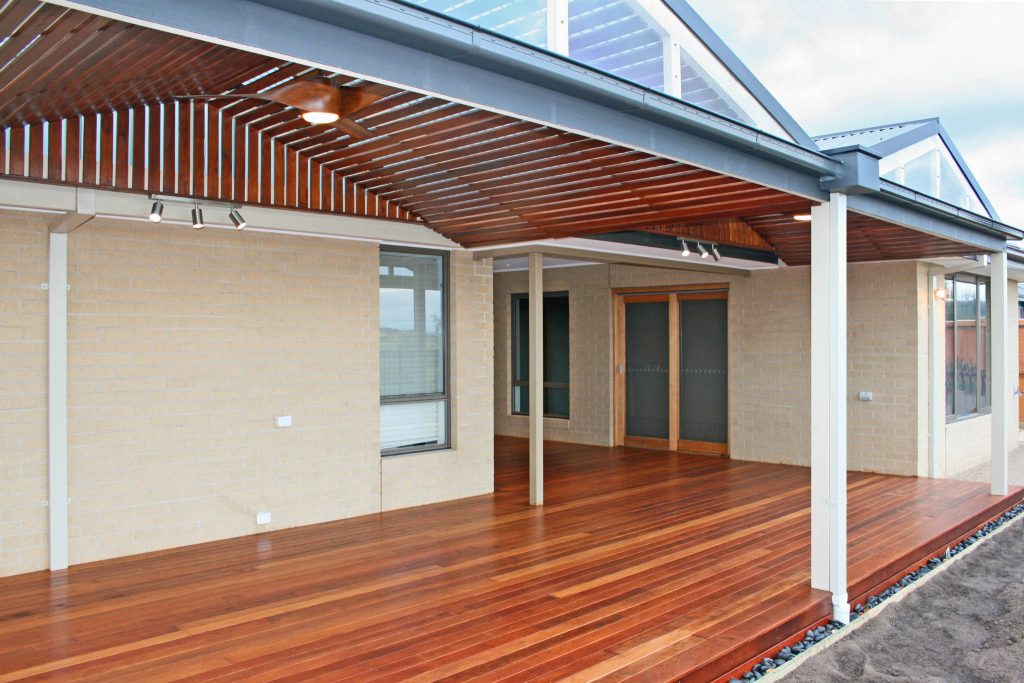
An outdoor deck is a significant investment that adds thousands to your property value, but in the harsh Australian climate, it is constantly under attack. From the blistering UV rays that “bake” the timber to the torrential summer rains that invite rot and mould, a “set and forget” mentality will lead to a costly replacement within a decade.
This Jim’s Handyman guide provides a comprehensive breakdown of the essential maintenance routine required to keep your deck safe, structural, and stunning year-round.
The Essential Maintenance Master Checklist
Use this detailed building maintenance checklist to assess your deck’s health and perform the necessary upkeep.
1. Test if the timber is actually absorbing oil
Don’t just guess if your deck needs a recoat. Pour a small amount of water onto various sections of the wood.
- If the water beads up on top, your current sealer is still working and you can wait.
- If the water soaks into the wood and leaves a dark patch within seconds, the timber is thirsty and unprotected. This is your signal to clean and re-oil immediately.
2. Clear out the gaps between boards
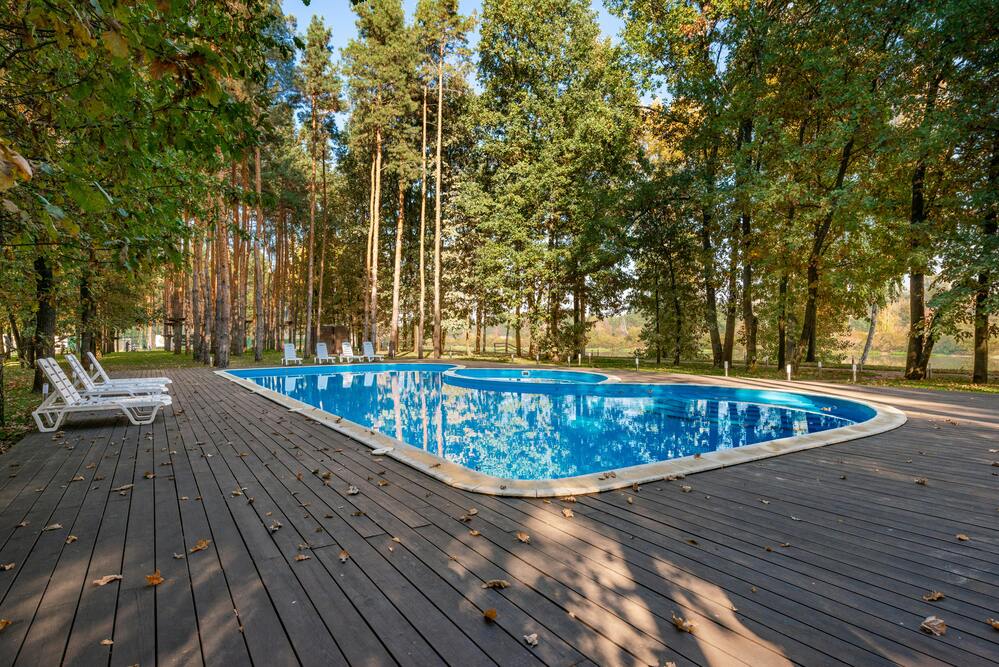
Debris like leaves, dirt, and twigs often get wedged in the gaps between your deck boards. In Australia’s humid regions, these blocked gaps trap moisture and stop air from circulating under the deck. This is the leading cause of “bottom-up” rot in your joists and bearers. Use a putty knife or a piece of wire to clear these channels so the deck can breathe and drain properly.
3. Lift up your pot plants
Pot plants are a silent killer for timber decks. They trap moisture in a perfect circle against the boards, which eventually rots the wood.
- Always use “pot feet” or stands with wheels to create an air gap.
- You should also move your pots every few months to ensure the timber underneath doesn’t end up a different colour due to uneven sun exposure.
4. Swap out rusted screws and nails
Look for dark, circular stains around your fixings. This usually means non-stainless steel nails are corroding and reacting with the timber’s natural tannins. Don’t just hammer them back in. Pull them out and replace them with 316-grade stainless steel screws. These won’t rust, even if you live near the coast or a salt-water pool.
5. Poke the wood to check for rot
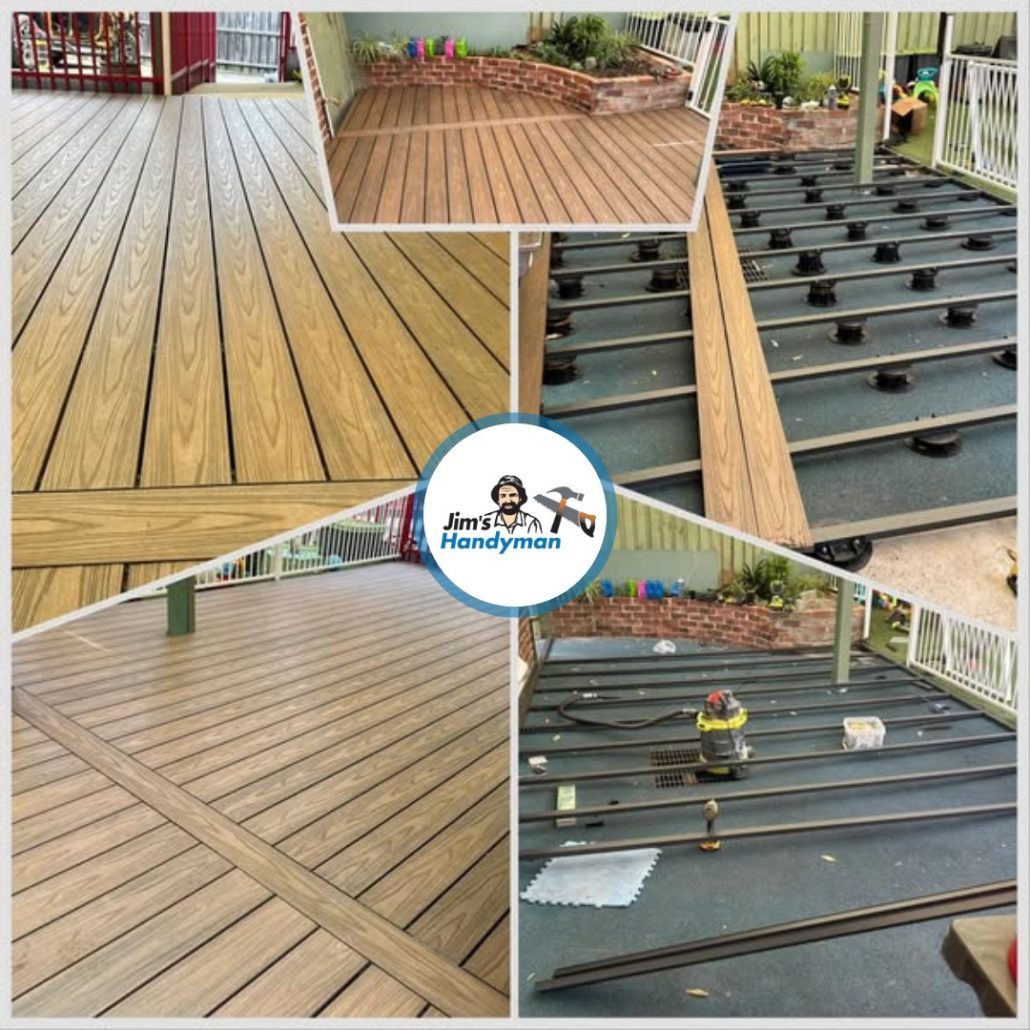
At least once a year, take a flat-head screwdriver and probe the timber, especially where the posts meet the ground or where two boards butt together.
- If the wood feels soft or spongy, or if the screwdriver sinks in easily, you have active rot. Healthy timber should feel solid.
- If you find a soft spot, that board or post needs to be replaced before it becomes a safety hazard.
6. Brighten grey wood before oiling
If your deck has turned a dull silver-grey, applying oil directly over the top won’t fix the colour. You need to use a deck cleaner containing oxalic acid (often called “wood brightener”). This chemical reaction strips the grey oxidation and opens the pores of the wood, allowing your new oil to penetrate deeper and look much richer.
7. Avoid clear oils in full sun
Clear oils might look good initially, but in the brutal Australian sun, they offer almost zero UV protection.
- Think of clear oil like baby oil; it keeps the wood moist but won’t stop it from getting “sunburned.”
- Always choose a tinted oil or a semi-transparent stain.
- The tiny bits of pigment in the tint act like a physical barrier that reflects UV rays away from the wood fibers.
8. Put felt pads on heavy furniture
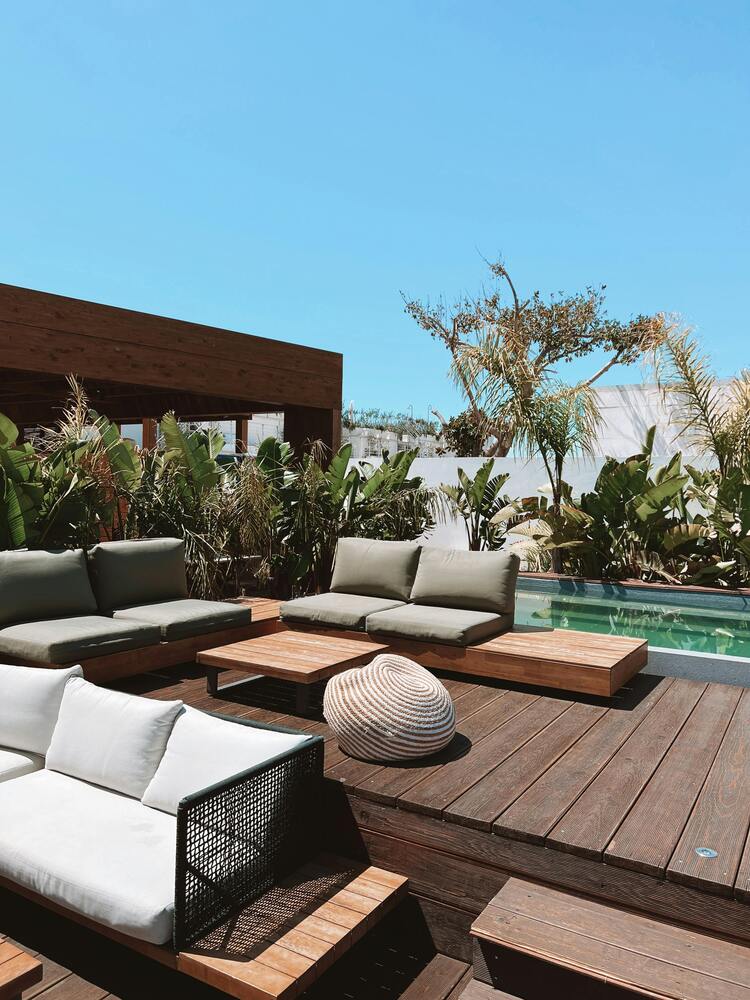
Dragging a heavy metal table or a BBQ across the deck can create deep gouges that cut right through your protective seal. Apply heavy-duty felt pads to the bottom of all furniture legs.
- For BBQs, use a fire-resistant mat to protect the timber from grease splatters and hot oil, which can be nearly impossible to wash out once they soak into the grain.
9. Kill mould with vinegar, not just water
If your deck is in a shaded area, you’ll likely see green algae or black mould spots. Don’t just blast them with a pressure washer, as this often just spreads the spores.
- A simple mix of one part white vinegar to four parts water is a natural antifungal.
- Scrub it on, let it sit for 10 minutes, and then rinse.
- This kills the mould at the root so it doesn’t grow back immediately.
10. Inspect the “ledger board” connection
The ledger board is the thick piece of timber that bolts your deck to the side of your house. This is the most critical structural point.
- Check that the bolts are tight and that the flashing (the metal cover) is preventing water from getting trapped between the deck and your house wall.
- If water gets in there, it can rot your house foundations and the deck frame at the same time.

Conclusion
Deck maintenance isn’t about making things look pretty—it’s about protecting the structural integrity of your home. By following these practical steps, you ensure your deck remains a safe place for your family to enjoy for decades.
Short on time or worried about structural rot? At Jim’s Handyman, we specialise in professional deck maintenance, restoration, and structural repairs. From deep pressure cleaning and sanding to high-quality oiling and screw replacements, our team ensures your deck is safe and summer-ready.
Frequently Asked Questions
How often do I really need to re-oil my deck?
For most Australian decks, re-oiling should happen every 6 to 12 months. If your deck is in full sun all day or near a saltwater pool, you might need to do it twice a year. If it’s fully undercover, you might get away with waiting 18 months. Use the “water droplet test” mentioned in the blog to be sure.
Can I just use a high-pressure washer to clean my deck?
You can, but you have to be extremely careful. If the pressure is too high or the nozzle is too close, you will “fuzz” the timber or even gouge it, which ruins the finish. It is often safer and more effective to use a deck cleaning solution and a stiff-bristle broom to scrub the wood by hand.
Why is my deck turning grey so fast?
The grey colour is caused by UV rays breaking down the surface fibers of the wood (oxidation). If you use a “clear” oil with no tint, it has no “sunscreen” to block these rays. To keep the natural wood colour, you need to use a product with a bit of pigment or tint.
What is the best way to stop rot in the sub-frame?
The best way to stop rot is to ensure water can drain away and air can circulate. Keep the gaps between your boards clear of dirt and leaves so moisture doesn’t sit on the joists. If you’re building a new deck, using joist protection tape is a great way to add years to the frame’s life.
Do I need to sand my deck every time I re-oil it?
Not necessarily. If the timber is in good condition and you are using the same type of oil, a deep clean with a wood brightener is usually enough. However, if the wood is splintering, peeling, or you are changing from an oil-based to a water-based product, a light sand is required to ensure the new coat sticks.