
Blog Overview:
Becoming a handyman requires practical skills, safety knowledge, and a clear understanding of what work you can legally perform in Australia. This guide explains the recommended training pathways and how franchise support can help you run a professional handyman business.
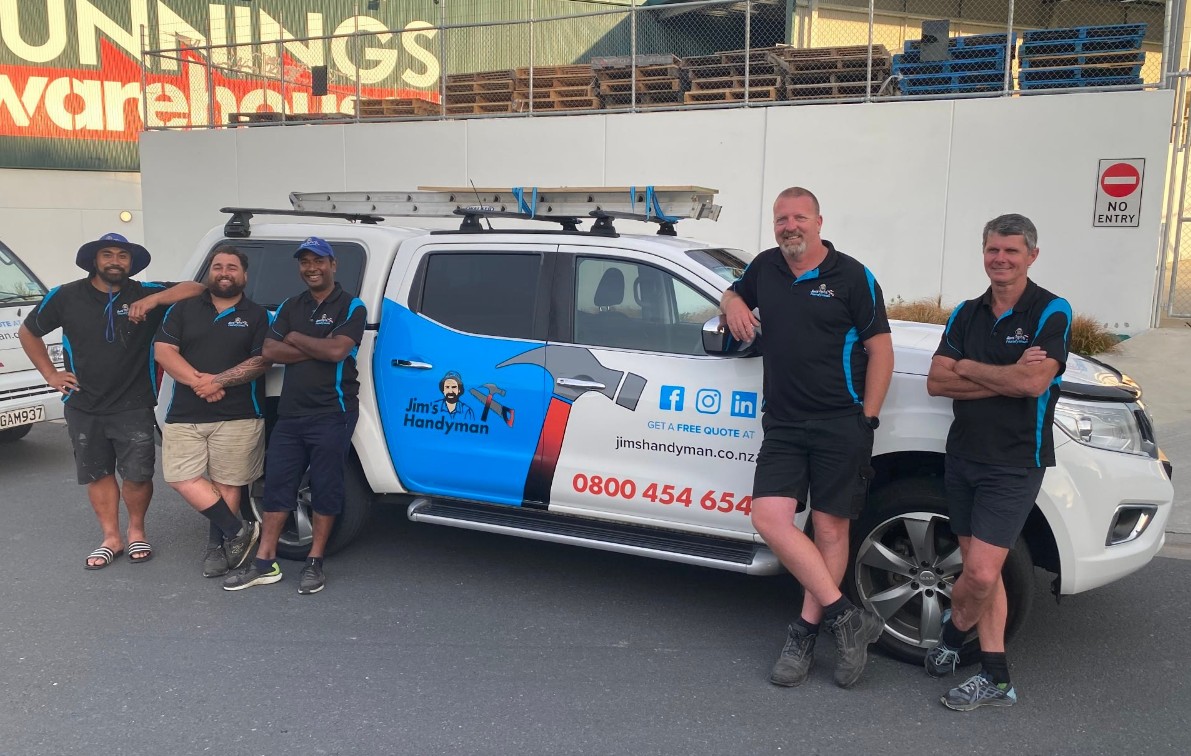
Becoming a handyman isn’t just about fixing things — it’s about building a trusted, skilled service business that customers rely on. Whether you’re starting from zero experience or looking to turn your skills into a career, this guide walks you through the practical steps and training options — including how joining a well-established franchise like Jim’s Handyman can accelerate your journey.
1. Understand What a Handyman Does
A handyman handles a range of property maintenance and small-build tasks, such as:
- Carpentry and minor repairs
- Tiling, plastering, and painting
- Installing fixtures
- Building outdoor structures
- General maintenance and renovations
These jobs are generally non-licensed trades, meaning in Australia you can work as a handyman without specific licences — as long as you stay within basic repair and maintenance tasks.
2. Start with Practical Experience
Most handymen develop strong foundations by doing the work:
- Learning how to measure, cut, fix and finish materials
- Using hand and power tools confidently
- Understanding different home and property materials
- Diagnosing problems and planning efficient solutions
Real-world experience underpins quality work and builds confidence.
3. Recommended Training to Build Credibility
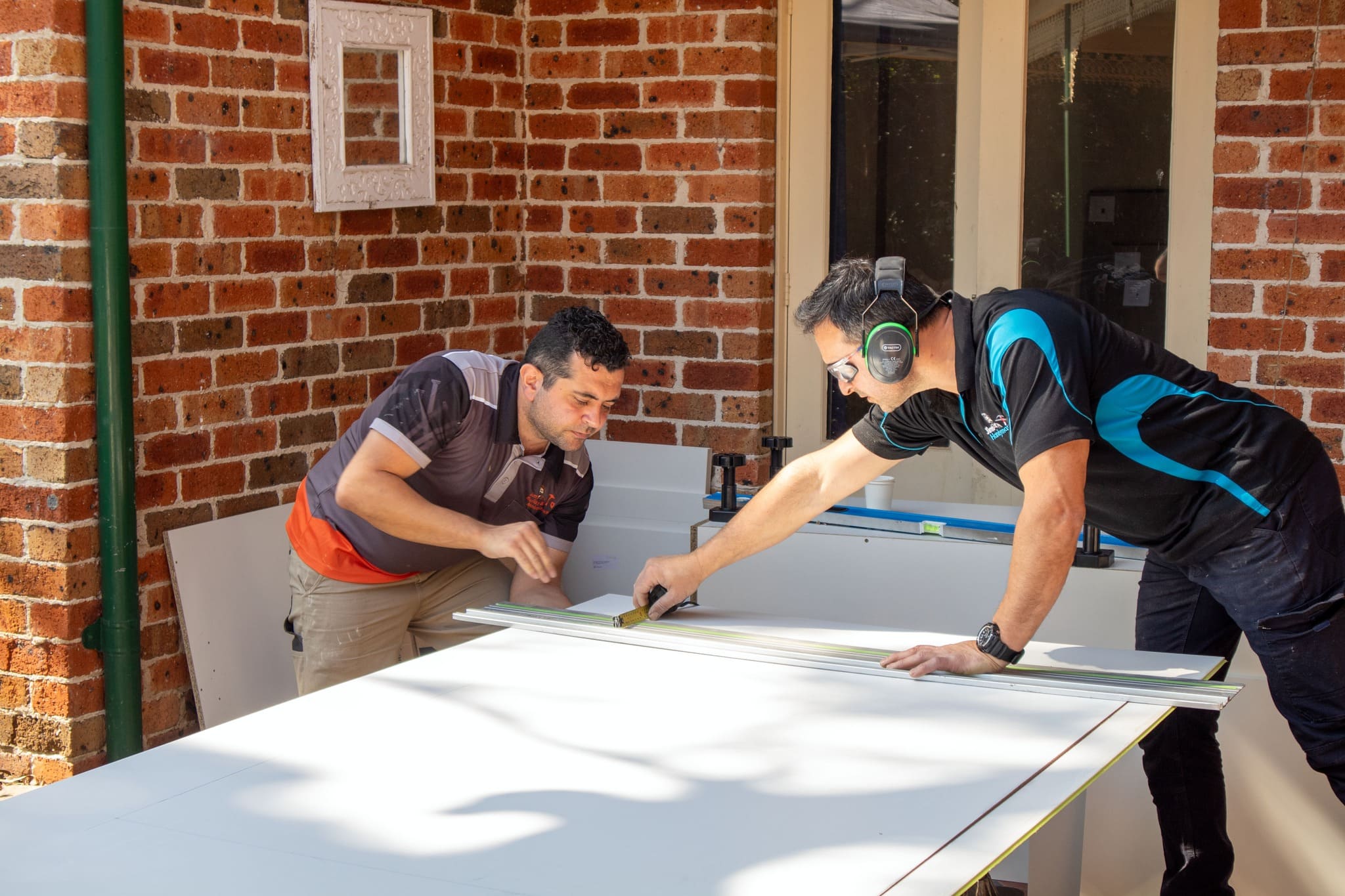
Formal training isn’t legally required for many handyman tasks in Australia — but it boosts your skill set and professionalism, which leads to better outcomes and more repeat customers.
Good training options include:
- Certificate II or III in Construction or Carpentry
- Workplace safety and tool handling courses
- Short courses on specialised skills (tiling, plastering, decking)
- First-aid and safety certifications
These help you improve technique, work safely, and better understand industry standards.
4. Business Skills Matter
Being a handyman is also a service business. That means you need:
- Accuracy in quoting and time estimation
- Clear communication with clients
- Strong customer service habits
- Job documentation and basic invoicing knowledge
Customers value reliability and transparency just as much as technical ability.
5. Consider a Franchise for Training & Support
If you want a structured path with training, brand support, and ongoing business coaching, franchising is an excellent option.
With Jim’s Handyman franchise, new franchisees receive:
- Screening and onboarding support from Jim’s national team
- World-class training programs tailored to operating a handyman business — including both business systems and service delivery best practices
- On-the-job coaching from experienced Jim’s experts before taking on jobs
- Access to marketing, quoting systems, and business tools you would otherwise need to build from scratch
This means you don’t have to guess how to set up or run your business — you’re supported from day one.

6. Legal & Compliance Basics
You’ll need to meet basic business requirements when working professionally:
- Register a business (or operate under a franchise structure)
- Get public liability insurance
- Understand local council and state regulations
- Maintain proper tax and financial records
These protect you, your customers, and your business reputation.
7. Keep Learning & Growing
The trade landscape changes — new materials, tools, and customer expectations evolve. Successful handymen keep learning:
- Advanced technical skills
- Emerging service areas
- Better business and customer systems
This ongoing improvement is what keeps jobs coming in.
Final Takeaway
Becoming a handyman means combining practical skills with business sense and ongoing training. Joining a respected network like Jim’s Handyman gives you structured training, mentorship, and support so you can focus on delivering quality work to your clients. Whether you start independently or through a franchise, investing in your skill development and customer service will pay off in long-term success.