

Blog Overview:
A handyman handles everyday home repairs, installations, and maintenance tasks that keep properties functional and presentable. This guide explains the most common handyman jobs and the key skills needed to deliver safe, professional results.
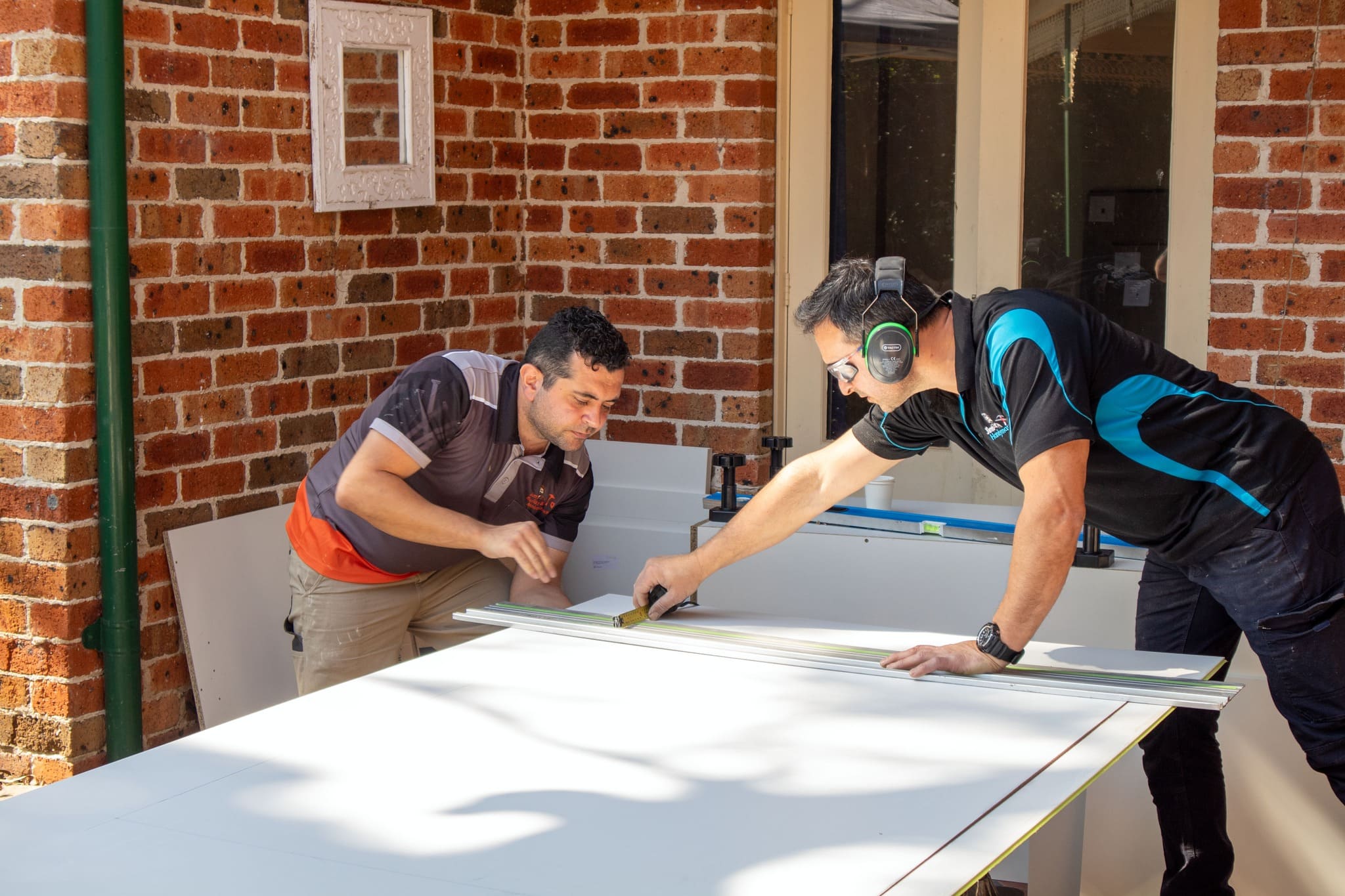
A handyman plays a key role in keeping homes functional, safe, and well-maintained. Unlike licensed trades that focus on a single specialty, a handyman handles a wide range of everyday home projects that fall outside major construction or regulated trade work.
This Jim’s Handyman article explains what a handyman typically does day to day and the core skills that matter most.
What Does a Handyman Do in Everyday Home Projects?
Handyman work focuses on general repairs, improvements, and maintenance that homeowners either can’t or don’t want to do themselves.
Common handyman tasks include:
General Repairs and Maintenance
- Fixing doors, handles, hinges, and locks
- Repairing minor wall damage, cracks, or holes
- Replacing damaged skirting boards or trim
- Adjusting cabinets and drawers
These jobs prevent small issues from becoming costly problems.
Carpentry and Installation Work
- Installing shelves, storage units, and flat-pack furniture
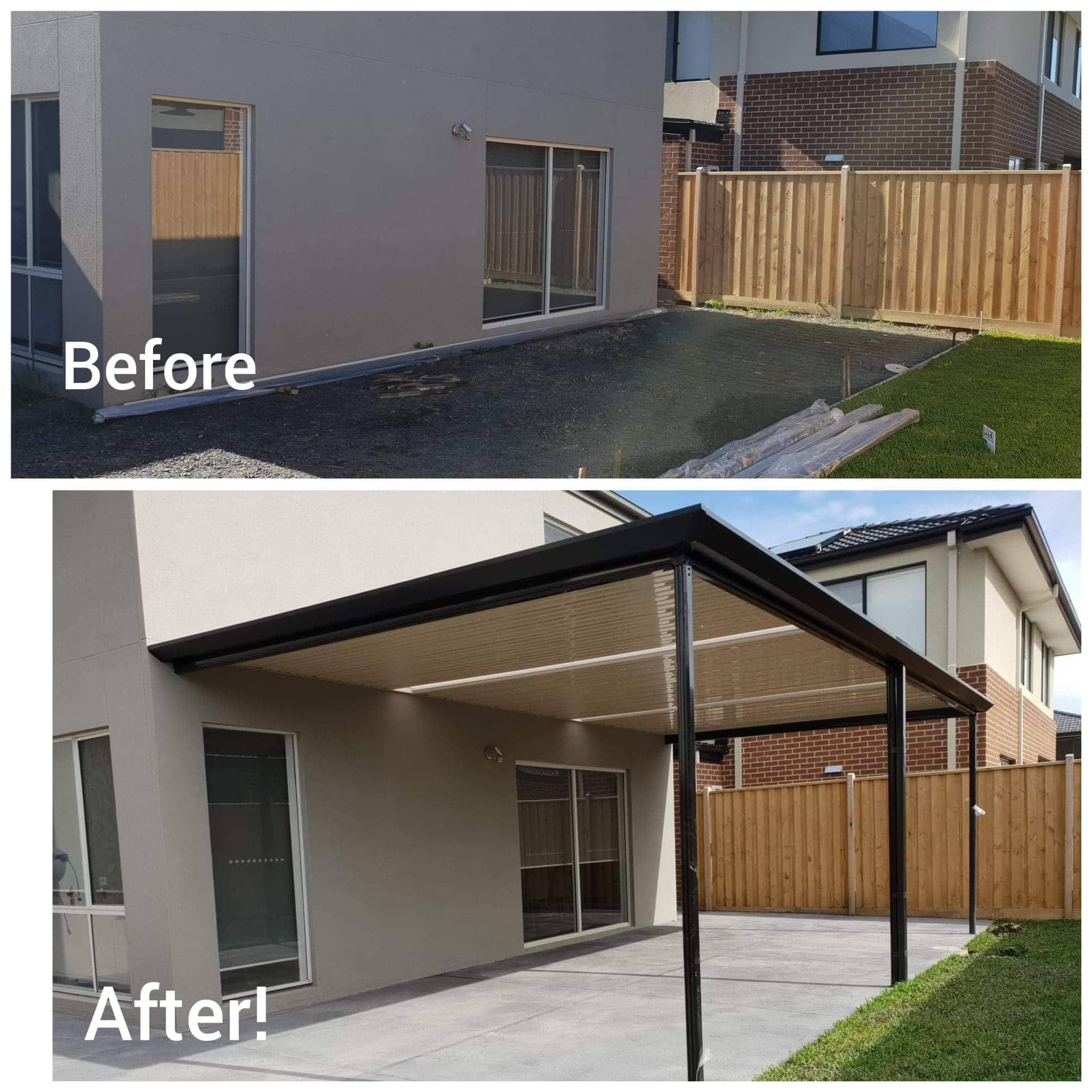
- Building small outdoor structures such as screens or planter boxes
- Hanging doors or replacing internal fittings
- Installing curtain rods, blinds, and hooks
This type of work requires accuracy, proper fixing methods, and clean finishes.
Painting and Surface Finishing
- Patch and paint repairs
- Feature wall painting
- Touch-ups after renovations
- Timber staining and sealing
Preparation is critical here — surface repair and masking often matter more than the paint itself.
Minor Tiling and Plaster Repairs
- Replacing broken tiles
- Regrouting small areas
- Patching plasterboard
- Repairing water-damaged surfaces (non-structural)
These tasks improve both appearance and durability when done correctly.
Outdoor and Property Maintenance
- Fence and gate repairs
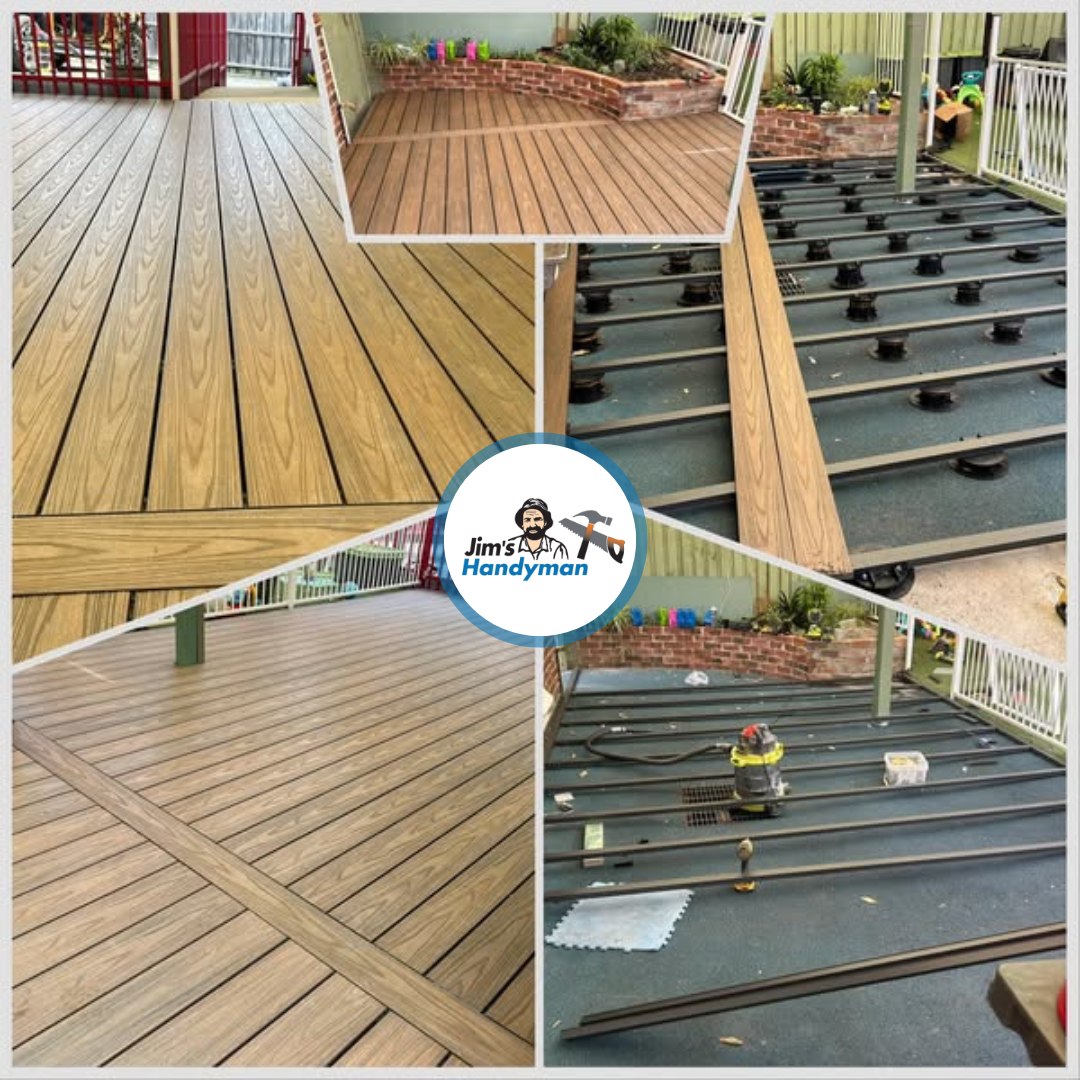
- Deck maintenance and minor repairs
- Weatherproofing doors and windows
- Small landscaping structures
This work often requires understanding how materials behave in Australian conditions.
What a Handyman Does Not Do
A professional handyman works within legal limits. They do not perform:
- Electrical wiring
- Plumbing connections
- Gas fitting
- Structural building work
These require licensed trades. Staying within scope protects the homeowner and the business.
The Most Important Skills a Handyman Needs
Being effective as a handyman is less about one trade and more about competence, judgement, and consistency.
Practical Problem-Solving
Every job is different. A handyman must assess the issue, choose the right approach, and execute it efficiently without creating new problems.
Strong Tool and Material Knowledge
Knowing which tools, fixings, and materials to use — and when — is essential for safety and durability.
Accuracy and Attention to Detail
Small errors show immediately in handyman work. Clean finishes, straight lines, and secure fixings build trust with customers.
Time and Job Management
Most handyman jobs are quoted per task. Accurate time estimation and efficient workflow are critical to running a profitable business.
Communication and Customer Skills
Clients expect:
- Clear explanations
- Honest recommendations
- Respect for their home
- Clean and tidy work practices
Technical skill alone isn’t enough.

Why Training and Support Matter
While many handyman skills are learned through experience, structured training improves:
- Safety awareness
- Work quality
- Efficiency
- Professional standards
For those operating under Jim’s Handyman, franchisee training and ongoing support help ensure work is completed consistently, legally, and to customer expectations — while also supporting the business side of operations.
Final Thoughts
A handyman handles the essential jobs that keep a home running smoothly — repairs, installations, and maintenance that require skill but not licensed trade work. The most important skills aren’t just technical ability, but problem-solving, accuracy, and professionalism.
When these are combined with proper training and support, handyman work becomes a reliable and sustainable service for both homeowners and business owners.