

Blog Overview
Steel and metal roofs are built to last, but regular checks and small repairs help them avoid major issues. Address rust, leaks and loose hardware early to keep your roof strong.
Blog Discussion Points:
- Leaks around seams, flashing or fasteners
- Rust/corrosion spots and fading paint
- Loose or missing screws and washers
- Dents, hail damage and damaged panels
- Annual inspection & preventive maintenance\
Steel roofs are durable and long-lasting, but like any part of your home, they may need repairs over time. From leaks to rust spots, addressing problems early can save you money and extend the life of your roof. Here’s everything you need to know about effective steel roof repair.

Why Steel Roofs Are Popular in Australia
Steel roofing is one of the most common choices for Australian homes because of its durability, weather resistance, and sleek appearance. Materials like Colorbond® are designed to withstand harsh sun, rain, and even coastal salt air. With proper care, a steel roof can last 30–50 years.
However, despite its strength, regular maintenance and timely repairs are essential to keep it performing at its best.
Common Signs Your Steel Roof Needs Repair
Recognising issues early is the first step in proper steel roof repair. Watch out for:
- Leaks or water stains inside the home
- Rust or corrosion spots on the roof surface
- Loose or missing fasteners
- Dents or damage from hail or falling branches
- Peeling or faded paint that exposes the steel underneath
- Gaps in flashing around chimneys, skylights, or vents
Ignoring these problems can lead to major structural damage and higher repair bills down the track.
Causes of Steel Roof Damage

Even the toughest steel roofs face wear and tear:
- Weather exposure – Heavy rain, storms, and UV rays break down coatings over time.
- Poor installation – Incorrectly fitted sheets or flashing may create weak spots.
- Salt and moisture – Coastal areas accelerate rust formation.
- Neglected maintenance – Failure to reseal, repaint, or clean gutters leads to preventable issues.
Safety First: Working on Steel Roofs
Metal roofs can be slippery, especially when wet. Before attempting any repair:
- Wear non-slip boots.
- Use a safety harness and secure ladders.
- Avoid walking on the roof during rain or strong winds.
- If unsure, leave it to professionals—your safety is worth more than a DIY attempt.
Step-by-Step Steel Roof Repair

1. Fixing Leaks
Leaks usually occur around seams, fasteners, or flashing.
- Identify the source by inspecting during rainfall or spraying with a hose.
- Remove any old sealant or debris.
- Apply a roofing sealant designed for metal.
- Replace damaged flashing if necessary.
2. Treating Rust Spots
- Scrub away loose rust with a wire brush or sandpaper.
- Apply a rust converter to stop corrosion spreading.
- Prime and repaint the area with roof-safe coatings.
3. Replacing Fasteners
Over time, screws and nails can loosen.
- Check for missing or raised fasteners.
- Replace them with new screws fitted with neoprene washers to create a watertight seal.
4. Repairing Dents and Damage
Minor dents from hail or branches may not affect function but can be unsightly.
- For shallow dents, gently hammer from underneath (if accessible).
- Severe damage may require panel replacement by a professional.
5. Repainting Faded or Damaged Coating
A fresh coat of roof paint not only boosts kerb appeal but also protects steel from rust.
- Clean the surface thoroughly.
- Apply primer to bare steel.
- Finish with a high-quality roof paint designed for metal roofing.
Preventative Maintenance Tips

The best steel roof repair strategy is prevention:
- Clean gutters regularly to prevent water build-up.
- Inspect annually for rust, leaks, and loose fasteners.
- Repaint and reseal every 10–15 years.
- Trim trees near the roof to reduce impact damage.
Regular upkeep can extend your roof’s life significantly and save thousands on full replacements.
DIY vs Professional Steel Roof Repair
Some minor tasks—like sealing small leaks or replacing a few fasteners—can be done DIY if you’re confident with tools and safety gear.
However, larger issues such as extensive rust, major leaks, or structural damage should be handled by professionals. Improper repairs can void warranties, compromise safety, and cost more in the long run.
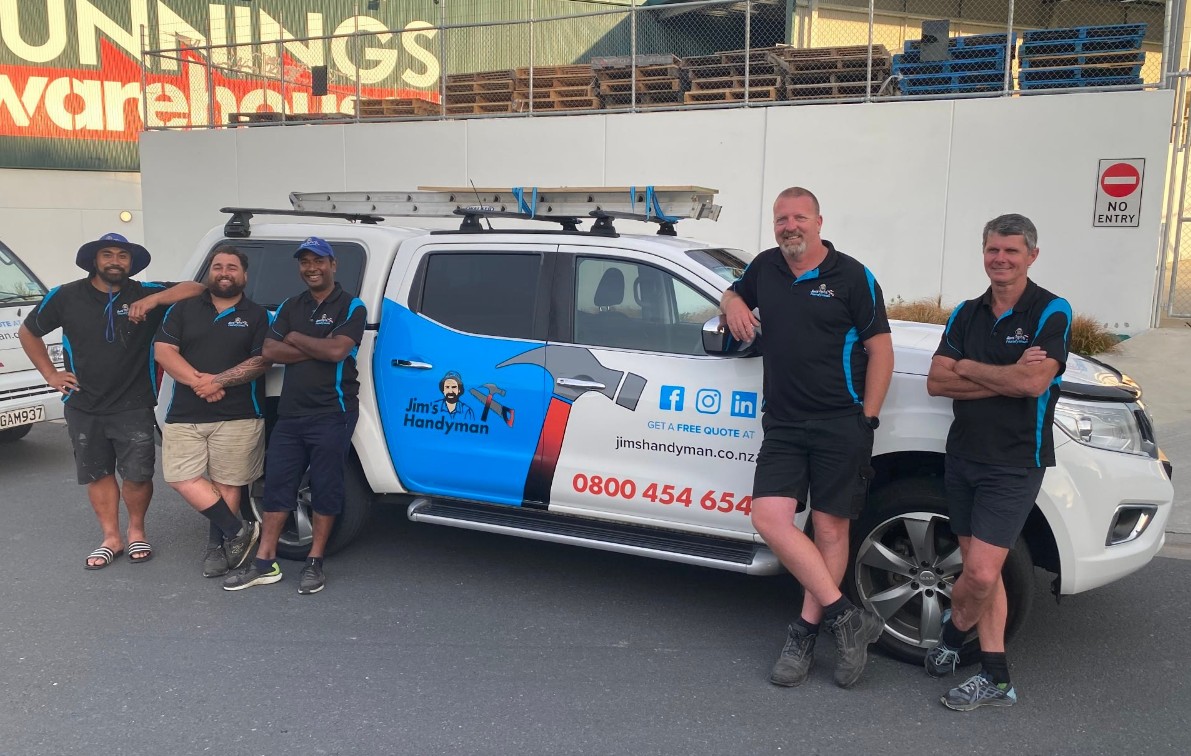
That’s where reliable services like Jim’s Handyman come in. With expertise in roof and building maintenance and repairs, they can restore your steel roof efficiently and safely, giving you peace of mind.
Frequently Asked Questions
Why do steel roofs develop problems?
Steel roofs face a lot of wear: constant UV exposure, heavy rain, salt air in coastal areas, and general weathering break down paint and protective coatings. Poor installation or neglected maintenance (loose fasteners, damaged flashing) make these issues worse and lead to leaks or rust.
What’s the right way to repair a metal roof leak?
First identify the source — it could be a seam, flashing, fastener or damaged panel. Remove old sealant or debris, clean the area, apply a metal‑roof compatible sealant, replace any damaged flashing or panels, and ensure screws with neoprene washers are correctly fixed.
How do I treat rust or corrosion on a metal roof?
Scrub away loose rust or flaking paint, apply a rust converter or primer, then repaint with a roof‑safe coating. Ensure the surface is clean and dry before recoating so the protective layer sticks and slows further corrosion.
What routine maintenance helps extend a metal roof’s life?
Clear gutters and downpipes annually, inspect fasteners and flashing, check for dents or loose panels after storms, repaint when coating fades (every 10‑15 years), and remove debris or branches that may damage the surface or trap moisture.
When is it time to call in a professional rather than DIY?
If the damage covers large areas (multiple panels or widespread rust), structural issues (sagging) or you’re uncomfortable with heights or safety equipment. Professionals also know how to handle warranty‑sensitive materials and complex flashing systems.
Final Thoughts
Steel roof repair is essential to protect your home from leaks, rust, and costly damage. While small fixes are manageable, larger repairs are best left to professionals. For expert steel roof repair and maintenance across Australia, Jim’s Handyman is your trusted choice for quality workmanship and long-lasting results.
Related articles that may interest you:
- How to Repair Wood Rot in Your House
- How to Repair Wood Siding
- What are Common Problems with Beach Houses?
- What are 5 Home Repair Services Every Homeowner Needs?
- How to Repair a Leaking Shower
- How to Spot the Need for Structural Repairs of Buildings Early
- What are Common Concrete Building Repairs and Issues?
- When diy is not the best plan
- How to Repair a Sticking Door: A Practical Guide for Homeowners
- How to Repair a Door Handle: A Step-by-Step Guide